Property & Inventory Insurance for building material dealers.
Property and inventory coverage engineered for the catastrophic fire exposure of stacked lumber and bulk building materials — the single biggest property risk a dealer carries and the one most standard carriers get wrong.
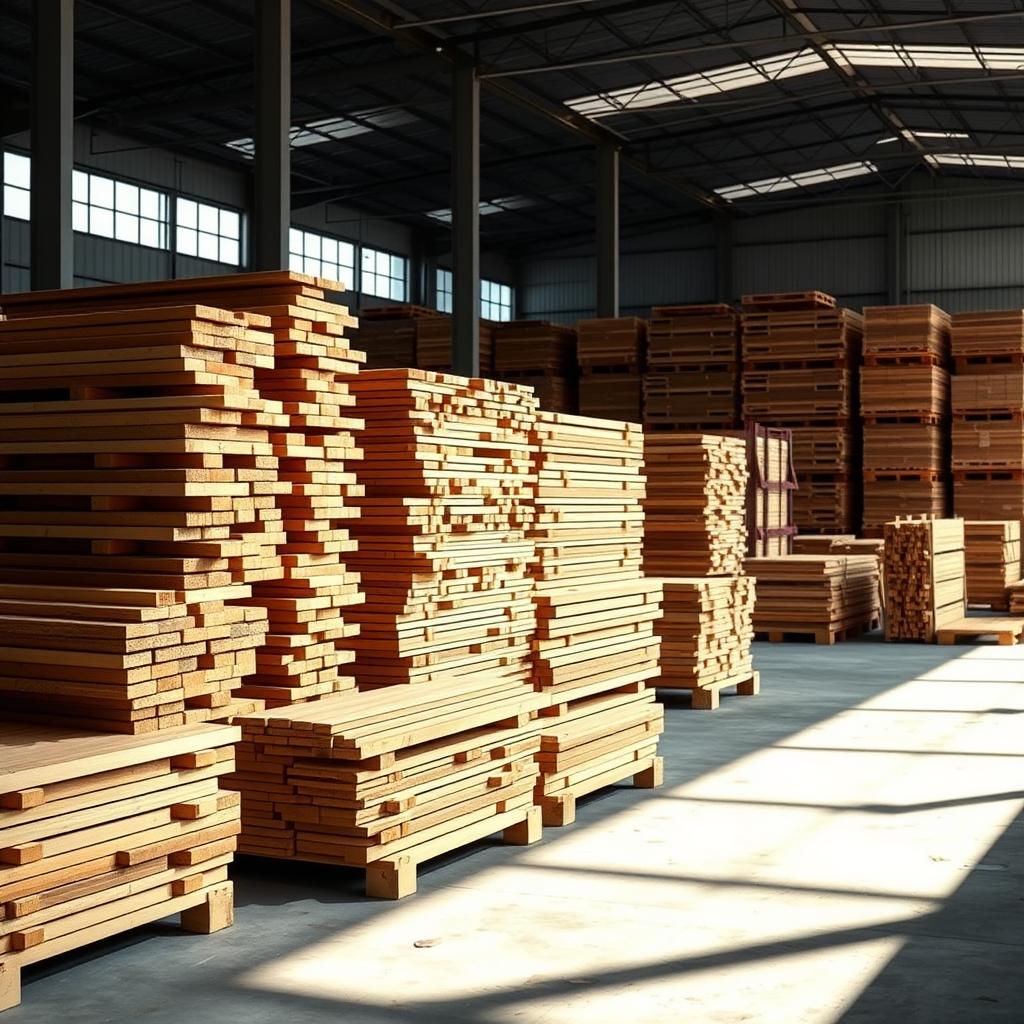
Property is where a building material dealer's risk concentrates. A lumber yard's entire inventory can burn in minutes; a sprinkler discharge can ruin thousands of dollars of finished goods; a wind event can scatter an outdoor stack across the neighborhood. Standard commercial property policies are written for office buildings and retail stores, not for yards full of combustible materials stored outdoors.
We structure property and inventory coverage that actually fits the operation: replacement-cost on building and stock, coverage for outdoor stacks, sprinkler-leakage and discharge, debris removal, ordinance-or-law, and business income that keeps paying while you rebuild. The valuation basis (replacement cost vs actual cash value) and the outdoor-yard coverage are the two decisions that determine whether a fire is survivable.
The coverages that matter for a dealer.
Structured into one policy — not a list of disconnected line items.
Building coverage
The showroom, warehouse, office, millwork shop, saw shed, and any other structure on the insured premises — written at replacement cost so a total fire doesn't leave you under-insured by the depreciation deduction.
Business personal property (stock & inventory)
Your lumber stacks, drywall, roofing, millwork, fasteners, hardware, and finished goods — the inventory that is the heart of the operation. We write this at replacement cost, not actual cash value, so a fire pays to replace the stock, not its depreciated worth.
Outdoor property & yard stock
The most important endorsement for a lumber yard. Standard property extends only limited coverage to property stored outdoors — and many policies exclude outdoor lumber stacks entirely. We add the outdoor-property endorsement that covers your actual yard inventory against fire, wind, hail, and theft.
Sprinkler leakage & discharge
Water damage from a sprinkler system discharge — a real and frequent loss for dealers with finished goods and bagged materials. Coverage pays to dry out and replace water-damaged stock.
Debris removal
After a fire, removing the wreckage of a lumber yard is a major expense in its own right — charred lumber, twisted racks, contaminated soil. Debris removal coverage pays this on top of the inventory settlement.
Ordinance or law
If a damaged building must be rebuilt to current code (sprinklers, setbacks, materials), the upgrade cost is not covered by standard property. Ordinance-or-law coverage pays the difference.
Business income & extra expense
Lost profit and continuing expenses while you rebuild after a covered loss — plus the extra expense of operating from a temporary location. For a dealer, a 6-to-12-month rebuild is a realistic timeline; business income is what keeps the company alive through it.
Built for dealers, by a former contractor.
If you sell, store, or deliver building materials, this coverage line is part of your program. Common operations we insure:
- Lumber yards and lumber dealers (the highest single fire exposure in the niche)
- Building supply yards with significant outdoor inventory
- Drywall, roofing, and insulation distributors
- Millwork, cabinet, and flooring distributors
- Hardware and fastener distributors with warehouse stock
- Concrete, masonry, and aggregate dealers
The difference is in how it's built.
- 1
We know which property markets write outdoor lumber stacks — and which quietly exclude them. The difference is the difference between a paid claim and a coverage dispute after a fire.
- 2
We push replacement-cost valuation on both building and stock. Actual cash value on a lumber stack means pennies on the dollar after depreciation; replacement cost means you can actually rebuild the inventory.
- 3
We size business income to your real rebuild timeline, not the carrier's default 6-month figure.
- 4
20+ years, all 50 states, 15-minute quotes, 2-hour claims response.
Quote your property & inventory insurance today.
15-minute quote. 2-hour claims response. Licensed all 50 states.
Common questions about property & inventory insurance.
Why is lumber yard property insurance so expensive?
Because the fire exposure is genuinely catastrophic. Stacked lumber is one of the most combustible commercial inventories that exists — a single ignition source can consume an entire yard in minutes, and the loss is frequently total. Markets that understand this charge accordingly, and markets that don't understand it either decline to write the risk or price it too low to survive a real claim. The right broker controls the cost through correct valuation, sprinkler credits, fire-protection documentation, and proper outdoor-property endorsements rather than by under-insuring.
Does my property policy cover lumber stored outdoors?
Often, no — and this is one of the most common and dangerous gaps we find. Standard commercial property policies cap outdoor-property coverage at a low limit (sometimes $1,000–$10,000) and may exclude outdoor lumber stacks entirely. You need an explicit outdoor-property endorsement sized to the actual value of your yard inventory. We write this on every dealer program.
Replacement cost or actual cash value — which should I choose?
Replacement cost, full stop, for a building material dealer. Actual cash value applies depreciation, and on lumber, fasteners, and finished goods the depreciation hit can be enormous — meaning a fire settlement that won't come close to replacing the inventory. The premium difference is modest and the difference at claim time is the survival of the business.