Workers' Compensation for building material dealers.
Workers' compensation calibrated to the real hazards of a building supply operation — forklifts, loading docks, manual material handling, saws and dust, and the daily lifting that wears crews down over years.
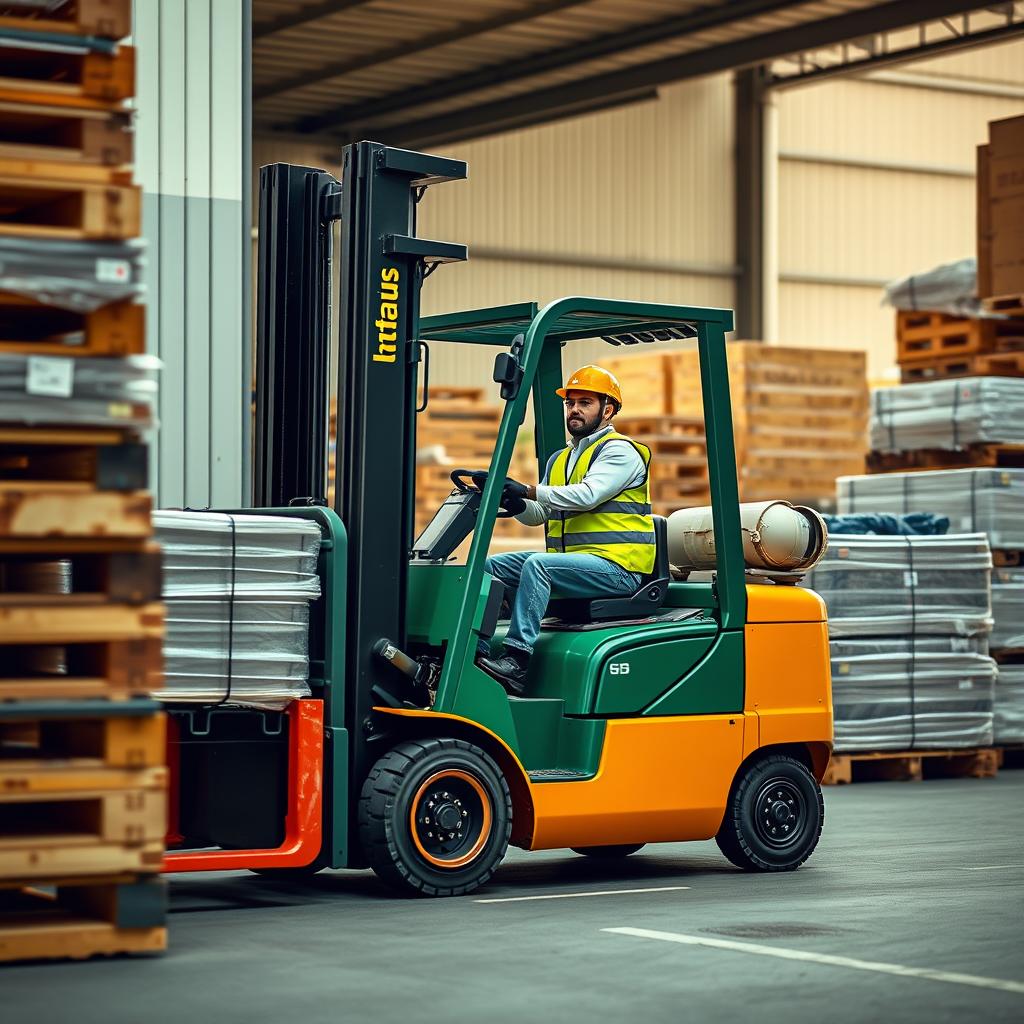
A building material dealer's workforce is one of the higher-hazard workforces in distribution. Forklift operators and lift-truck drivers face the most severe injury exposures in the operation; material handlers and yard crew accumulate lifting strains over time; saw operators and kiln staff face amputation, burn, and respiratory exposures; delivery drivers face road risk. The class codes are specific, and the experience-modification factor (X-Mod) drives the premium.
We write workers' comp with the correct class codes for every role in a dealer operation, we manage the experience modification, and we partner with a claims-handling and return-to-work process that controls the long-tail cost of claims. Workers' comp is mandatory in nearly every state the moment you have an employee — we write it in all 50.
The coverages that matter for a dealer.
Structured into one policy — not a list of disconnected line items.
Medical care
All reasonable and necessary medical treatment for a work injury — from the initial ER visit through surgery, physical therapy, and prescriptions, with no cap in most jurisdictions and no deductible to the injured worker.
Disability benefits
Wage replacement while an injured worker is unable to work — temporary total, temporary partial, permanent partial, and permanent total disability, paid at the statutory rate for your state.
Vocational rehabilitation
Retraining and job-placement assistance when an injury prevents a return to the previous role — important for career forklift operators and saw handlers who can no longer perform that specific work.
Death benefits
Wage replacement and burial benefits for the dependents of a worker killed on the job — a real exposure in a dealer operation given the severity of forklift and loading incidents.
Employers' liability
The 'Part Two' of a work comp policy — protection for the employer against suits by injured workers or their families that fall outside the exclusive remedy of the workers' comp statute. Coordinated with your umbrella.
Built for dealers, by a former contractor.
If you sell, store, or deliver building materials, this coverage line is part of your program. Common operations we insure:
- Dealers with forklift operators and lift-truck drivers
- Yard crews handling lumber, drywall, roofing, and millwork by hand
- Saw operators, kiln operators, and shop staff
- Delivery drivers (work comp coordinates with commercial auto)
- Counter and inside-sales staff (lower hazard, but still covered)
- Any dealer with even a single employee — work comp is mandatory
The difference is in how it's built.
- 1
Correct class codes for every role — forklift operator codes differ from counter-sales codes, and misclassification is a classic premium and claim-dispute trap.
- 2
Active experience-modification management. Your X-Mod is the single biggest lever on your work comp premium; we work the unit statistical plan and the mod so it stays as low as your loss history supports.
- 3
Claims-handling partnership with a return-to-work focus that shortens the tail on claims and keeps the mod down.
- 4
All 50 states, 15-minute quotes, 2-hour claims response guarantee.
Quote your workers' compensation today.
15-minute quote. 2-hour claims response. Licensed all 50 states.
Common questions about workers' compensation.
Do I need workers' comp if I only have a couple of employees?
In nearly every state, yes. Workers' compensation is mandatory as soon as you have employees, and most jurisdictions require coverage from the first employee. Some states have very limited exemptions for sole owners or family-only operations, but they are narrow and specific. Operating without required work comp exposes you to stop-work orders, fines, and personal liability for injury costs. We'll tell you exactly where your state draws the line.
What is an experience modification factor (X-Mod) and why does it matter?
Your X-Mod is a multiplier applied to your work comp premium based on your actual claims history compared to other dealers in your class codes. A mod below 1.0 means you're better than average and you get a credit; above 1.0 means a debit. Over a few years, the mod becomes the dominant driver of premium — so claims control and return-to-work programs pay back many times over. We help you manage it.
Are forklift operators expensive to insure?
Forklift operators sit in a higher-hazard class code than counter staff, but the bigger cost driver is claim severity rather than the code itself — forklift-pedestrian incidents and crush injuries are high-severity. A documented forklift-safety program, operator certification, and pedestrian-separation discipline materially reduce both frequency and severity, which is reflected in your long-term mod.