Equipment Breakdown vs. Property Insurance: Why Your Policy Won't Cover That Compressor
By Josh Cotner
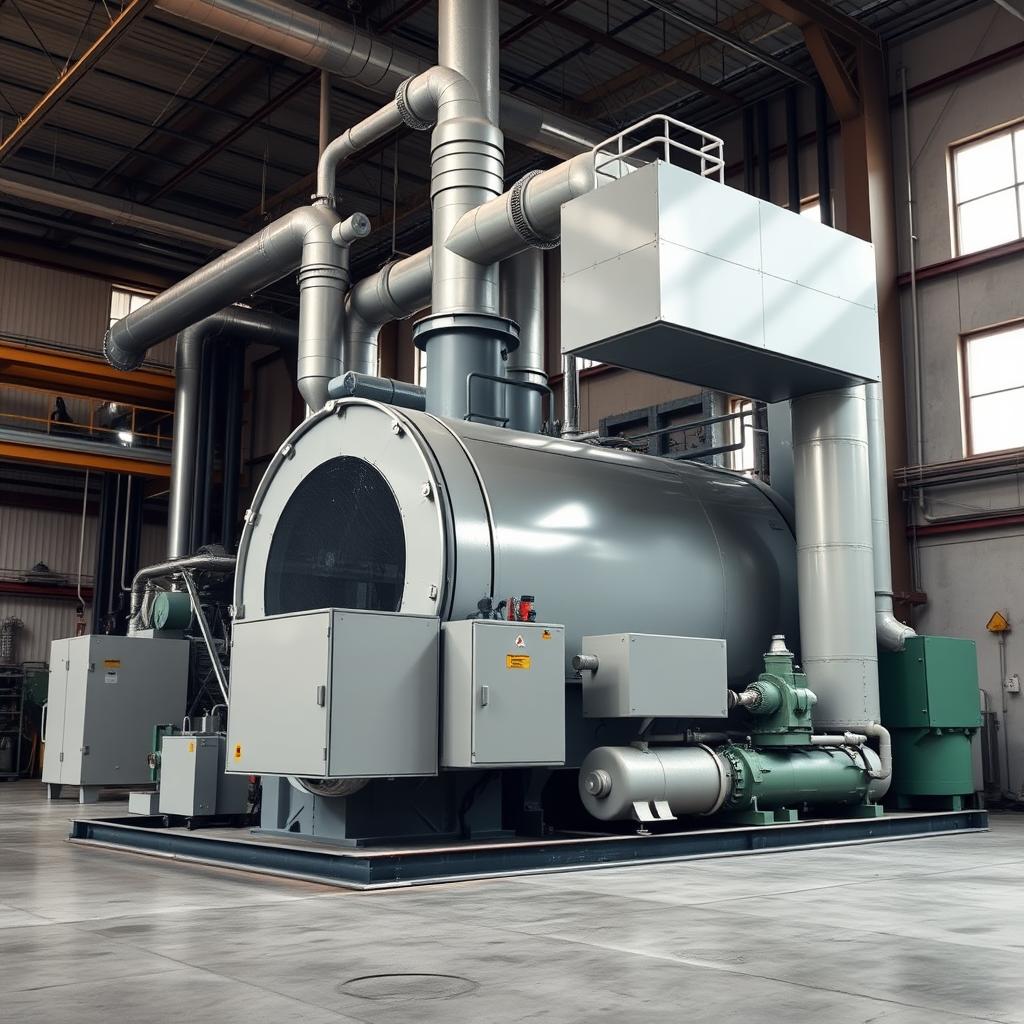
It happens more often than it should. A building material dealer's main air compressor seizes after a bearing failure. The dealer calls the claim into the property insurance carrier. The adjuster reviews the policy and delivers a one-line denial: "Mechanical breakdown is excluded."
The dealer is stunned. They have commercial property insurance. They've been paying premiums for years. The compressor is their property, at their insured location. Why isn't it covered?
The answer is buried in the exclusions section of nearly every standard commercial property policy, and understanding it — before the equipment fails — is the difference between an insured loss and a $40,000 out-of-pocket repair bill.
The Fundamental Distinction: Cause of Loss
Commercial property insurance is structured around causes of loss — fire, lightning, windstorm, hail, vandalism, theft, and similar external perils. The policy pays when covered property is damaged or destroyed by a covered cause.
Mechanical breakdown, electrical failure, and pressure-system rupture are not external perils. They are internal equipment failures caused by wear, fatigue, manufacturing defect, or operator error. Standard property policies explicitly exclude them — often in language like this: "We will not pay for loss or damage caused by mechanical breakdown, including rupture or bursting caused by centrifugal force; or electrical disturbance in electrical or electronic equipment."
The exclusion is broad and applies to a wide range of equipment failures. A compressor that seizes. A kiln that cracks from thermal stress. An electrical panel that short-circuits and fails. A pressure vessel that develops a fatigue crack. All of these are mechanical or electrical failures — not covered by property insurance.
Equipment at Lumber Yards That Property Won't Cover
Building material dealers operate some of the most equipment-intensive facilities in the distribution sector. Here's what a standard property policy excludes from coverage:
Kilns. Lumber kilns operate at high temperatures and pressures. Thermal cycling, heating element failures, and structural fatigue are common causes of kiln failures. A kiln breakdown can cost $20,000 to $100,000 to repair and take weeks to restore — during which the drying operation is halted.
Air compressors. Large compressed-air systems power pneumatic tools, lift equipment, and automated conveyor systems throughout a dealer facility. A main compressor failure — bearings, piston, valve, or motor — is a frequent and expensive event. Repair costs run $5,000 to $50,000 depending on size; replacement can exceed $100,000.
Dust collection systems. Industrial dust collectors handle hazardous wood dust in saw operations and millwork shops. Motor failures, impeller damage, and filter-housing failures are common. A failed dust collection system shuts down saw operations and creates compliance issues.
Electrical panels and switchgear. The main electrical panel and distribution switchgear of a lumber yard or warehouse can fail from internal arcing, insulation failure, or utility power surges. Panel replacements run $15,000 to $75,000 and require weeks for permitting and installation.
Forklift chargers and battery systems. Electric forklifts are increasingly common in dealer operations. Charging station failures, battery thermal events, and controller failures are equipment breakdown events — not covered by standard property.
Conveyor and material handling systems. Automated conveyor systems, chain hoists, and similar material-handling equipment fail from mechanical wear and component fatigue. These are the systems that make a high-volume dealer yard productive; their downtime is immediately felt in throughput.
Boilers and pressure vessels. Dealers with heating systems, steam drying equipment, or pressure-vessel operations carry classic boiler-and-machinery exposure — the original equipment breakdown risk. Federal and state regulations require inspection of boilers and pressure vessels; equipment breakdown policies often include inspection services that help meet these requirements.
What Equipment Breakdown Insurance Actually Covers
Equipment breakdown insurance — the successor to the historical boiler and machinery line — was designed specifically to cover the internal failure of mechanical and electrical equipment that property policies exclude.
A modern equipment breakdown policy covers:
Direct repair or replacement costs. When covered equipment fails, the policy pays for parts, labor, and the equipment itself — up to the replacement cost of the failed component or system.
Business interruption from breakdown. This is often the larger loss. When a main compressor or kiln fails, the facility may not be able to operate normally for days or weeks. Business interruption coverage under the equipment breakdown policy pays lost income and continuing expenses during the restoration period.
Expediting expense. The cost of rushing the repair — overnight parts delivery, weekend labor rates, temporary equipment rental — is covered. This is often the difference between a two-week outage and a two-day outage.
Consequential damage. When a breakdown damages other property — a cooling system failure that ruins inventory, a compressor explosion that damages adjacent equipment — the consequential property damage is covered.
Service interruption. Some equipment breakdown policies extend to cover losses caused by off-premises utility failures (power, water, steam), which can shut down equipment without any failure of the equipment itself.
The Cost Gap That Equipment Breakdown Closes
The most effective way to understand the value of equipment breakdown insurance is to look at actual cost examples.
A mid-size lumber yard with a 60,000-board-foot kiln capacity has a kiln failure in October — the peak period for treating inventory to meet winter demand. Repair cost: $35,000 in parts and labor. Business interruption: eight weeks of reduced throughput, representing $80,000 in lost margin. Total loss: $115,000.
Without equipment breakdown coverage, this is entirely out of pocket. Property insurance denied. The annual premium for equipment breakdown on this operation: $2,800.
A building supply warehouse loses its 50-horsepower main compressor to a bearing seizure. Replacement cost: $28,000. Installation and downtime: two weeks. Business interruption: $22,000. Total: $50,000.
Equipment breakdown premium for this exposure: approximately $900 per year.
The math on equipment breakdown insurance is among the most favorable of any coverage line in the dealer program. The premiums are low relative to the replacement and business-interruption exposure because the events, while expensive, are predictable and manageable.
How to Add Equipment Breakdown to Your Program
Equipment breakdown is most efficiently added as an endorsement to an existing commercial property policy, when the carrier offers it. It can also be written as a separate standalone policy, which is the typical approach when the property carrier doesn't offer breakdown or when the breakdown exposure is large enough to warrant a dedicated market.
The coverage is sized based on an inventory of the covered equipment — what it is, what it's worth, and what the business interruption exposure is if it fails. We walk through this inventory with every dealer client to make sure the coverage actually matches the equipment on site.
If you've never had your dealer program specifically reviewed for equipment breakdown exposure, there is a meaningful probability that you have uninsured equipment — equipment you assume is covered under property until the day a repair technician hands you an invoice and your property carrier hands you a denial.
That's a bad day to find out. The better day is before the bearing fails.
Need this coverage for your yard?
Get a real quote in about 15 minutes — we shop A-rated specialty markets for dealers.