Why Fire Is the #1 Exposure for Lumber Yards — And How to Insure It
By Josh Cotner
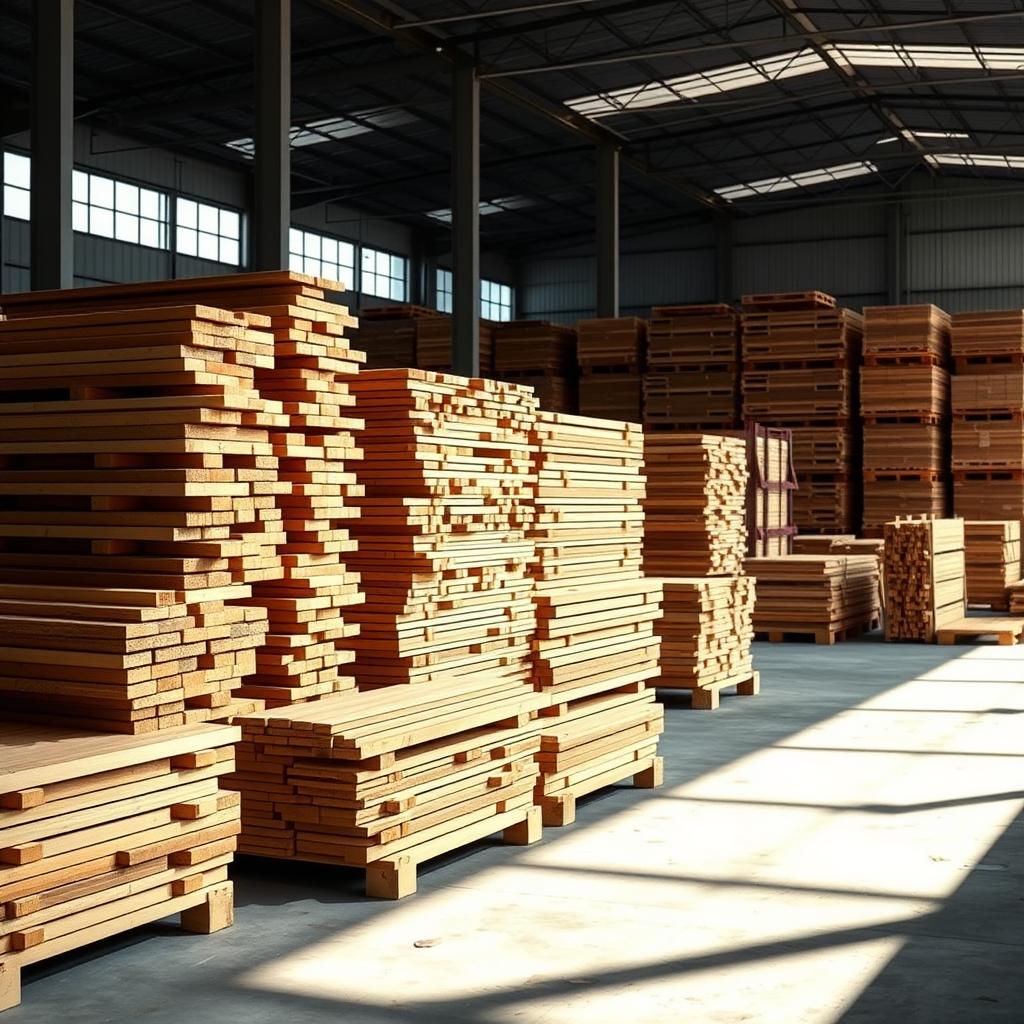
When I first started insuring building material dealers, the broker who mentored me said one thing I never forgot: "A lumber yard is not a retail store that happens to sell wood. It's a fire waiting to happen — and almost every carrier in the standard market has already figured that out."
He was right. Fire is the single largest property exposure facing lumber yards and building supply dealers, and most standard commercial property policies are written around it — not for it. Understanding why fire is so dangerous to a dealer operation, and how specialty coverage addresses it differently, can mean the difference between a survivable claim and a business-ending loss.
Why Fire Risk Is So Severe in Lumber Yards
The raw physics are unforgiving. Kiln-dried lumber — the majority of what most yards carry — has a moisture content between 6% and 19%. At that dryness, it ignites readily and burns intensely. Stacked in open yards or enclosed sheds, lumber creates chimney effects that accelerate fire spread. A stack fire can reach temperatures exceeding 1,000°F and consume an entire section of yard within minutes.
Add to this the common presence of accelerants — paint thinners, adhesives, wood preservatives, deck stains — and the risk compounds. Many dealers also carry roofing materials (asphalt shingles, underlayment, roll roofing) that are petroleum-based and burn aggressively.
The exposure is not limited to outdoor stacks. Millwork shops, saw sheds, kiln buildings, and enclosed warehouses all carry combustible inventory in concentrated form. A single spark from a saw blade, a forklift exhaust backfire, or an electrical fault can start a fire that spreads to the full inventory in minutes.
How Standard Property Policies Fail the Lumber Yard
Standard commercial property policies were designed for office buildings, retail stores, and light industrial operations. They include several provisions that systematically fail a lumber yard:
Outdoor property sublimits. Most standard policies cap coverage on property stored outdoors at a low sublimit — often $10,000 to $25,000, sometimes as low as $2,500. For a yard with hundreds of thousands of dollars in outdoor inventory, this is catastrophically inadequate. Some policies exclude outdoor lumber stacks entirely.
Coinsurance requirements. Standard property policies often require you to carry coverage equal to 80% or 90% of the replacement cost of the insured property. For a lumber yard with volatile inventory values, maintaining this ratio is difficult, and underinsurance at claim time triggers a coinsurance penalty that reduces the payout proportionally.
Actual cash value settlement. Many generic policies offer actual cash value (ACV) rather than replacement cost (RC) settlement. ACV applies depreciation to the damaged inventory — meaning a fire that destroys lumber bought at today's prices gets settled at those prices minus years of depreciation, which can be a fraction of the replacement cost.
Business income gaps. Standard business income coverage typically has a 72-hour waiting period and caps the indemnity period at six or twelve months. For a lumber yard that takes 18 to 24 months to fully rebuild, this leaves a massive income gap.
What Specialty Dealer Property Coverage Does Differently
A specialty program written for building material dealers addresses each of these gaps directly.
Outdoor property endorsement sized to actual exposure. Instead of a $10,000 sublimit, a specialty program provides coverage on outdoor property scaled to the actual replacement cost of the yard inventory — often $250,000 to several million dollars for mid-size operations.
Replacement cost on inventory. Specialty markets will write replacement-cost settlement on building materials inventory, eliminating the ACV depreciation trap. When you rebuild the stack after a fire, you buy lumber at today's prices; your settlement should reflect that.
Extended business income indemnity periods. Specialty programs can extend the business income indemnity period to 18 or 24 months, reflecting the realistic timeline for permitting, construction, and reopening after a total loss.
Debris removal coverage. After a lumber yard fire, the debris removal cost — hauling charred lumber, decontaminating soil, clearing the site — can run well into six figures. Specialty programs size debris removal coverage to this reality.
Sprinkler discharge and leakage. For dealers with interior stock, coverage for sprinkler system leakage and accidental discharge is essential. A discharged sprinkler can ruin thousands of dollars of finished millwork, doors, and bagged goods.
Factors That Drive Lumber Yard Fire Insurance Cost
Several variables drive the premium on a dealer property program:
Sprinkler protection. A fully sprinklered interior warehouse or shed earns a significant premium credit — often 25% to 40% — because the data shows sprinklers dramatically reduce loss severity. For a dealer building without sprinklers, retrofitting is worth analyzing as a premium-reduction strategy.
Construction type. Masonry or fire-resistive construction earns lower rates than frame construction. Saw sheds and millwork shops built with wood framing carry higher rates than concrete block warehouses.
Outdoor storage practices. Organized, palletized stacks with adequate fire breaks between rows earn better rates than dense, unorganized yard storage. Fire lane access and hydrant proximity matter to underwriters.
Stock valuation accuracy. Underwriters want to see an accurate inventory value — not the average, but the peak, because a fire at year-end doesn't wait for a slow month. Understating inventory value to reduce premium leads to coinsurance penalties at claim time that can be worse than the premium savings.
Loss history. A five-year loss run showing no fire losses is the best premium tool a dealer can bring to a renewal. A prior fire loss — even a small one — narrows the market and raises rates significantly.
Geographic wildfire exposure. For dealers in western states with wildland-urban interface exposure, wildfire proximity now affects property rates meaningfully.
How to Reduce Your Lumber Yard Fire Insurance Cost
The most effective strategies are operational, not financial:
- Install and maintain automatic sprinkler systems in enclosed buildings and sheds.
- Document your fire protection — hydrant access, extinguisher inspection records, fire alarm certificates, suppression system test reports. Underwriters give credit for documented protection.
- Maintain fire lanes in the outdoor yard — minimum 20-foot lanes between major stack rows.
- Store accelerants separately in compliant storage structures away from lumber inventory.
- Keep loss prevention records — if you've never had a fire, make that provable.
- Work with a specialty broker who knows which markets write outdoor lumber and which quietly exclude it. The wrong market means a disputed claim; the right one means a paid claim.
Fire is not an if for a lumber yard — it's a when, and the question is whether your program actually pays when it happens. A specialty property program built for a building material dealer does. A standard retail store policy, repurposed for a dealer, often doesn't — and you don't find out which one you have until after the fire.
Need this coverage for your yard?
Get a real quote in about 15 minutes — we shop A-rated specialty markets for dealers.