The Hidden Product Liability Gap for Building Material Dealers
By Josh Cotner
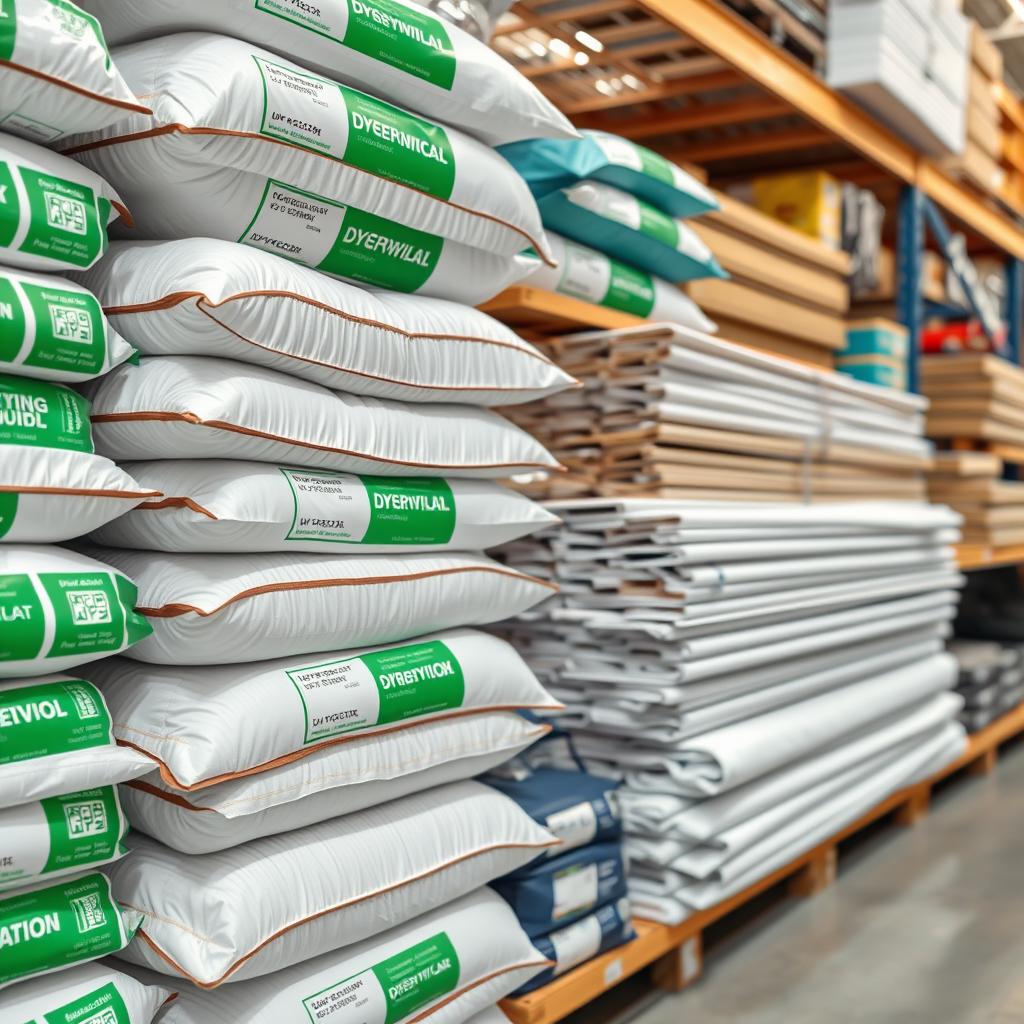
The most common insurance misconception I encounter with new building material dealer clients goes something like this: "I don't need product liability — I don't make anything. If someone gets hurt by a product I sold, that's the manufacturer's problem."
It is not the manufacturer's problem alone. It is your problem too. And the dealers who find this out during a lawsuit are the ones who wish they'd read this article first.
Why Dealers Get Sued for Products They Didn't Make
Product liability law in the United States operates on a principle called strict liability in the chain of commerce. It means that every entity in the chain of distribution — manufacturer, distributor, wholesaler, retailer, and dealer — can be held liable for damages caused by a defective product, regardless of fault.
The plaintiff's attorney sues everyone who touched the product. The manufacturer who made the defective roofing nails. The distributor who warehoused them. The dealer who sold them to the roofer. The homebuilder who installed them. All of them receive a complaint, all of them need a defense, and the allocation of damages gets sorted out later — after years of litigation and significant legal cost.
Even if you are ultimately found to bear zero fault — you just sold the product, after all — you still need an attorney to show that. Legal defense costs in product liability cases routinely run $50,000 to $200,000 before a single dollar of indemnity is paid. Without product liability insurance, that defense cost is yours.
The Specific Exposures Building Material Dealers Face
The building materials supply chain creates several recurring product liability exposures:
Defective structural materials. Failed fasteners, brittle engineered lumber, off-spec concrete mix, corroded anchors — when structural materials fail in a building, the resulting property damage and injury claims are severe. The dealer who sold the materials is named alongside the manufacturer.
Off-gassing and contamination. Defective drywall that off-gasses sulfur compounds, formaldehyde-emitting adhesives, contaminated insulation — these cases often involve mass tort litigation that names every entity in the distribution chain for every affected home. These cases can run for years and involve thousands of plaintiffs.
Recalled roofing and building products. When a product line is recalled — failed shingles, defective windows, non-compliant fire-rated assemblies — the dealer who distributed those products faces claims from every customer who installed them, regardless of the dealer's role in the defect.
Private-label and import products. Dealers who sell goods under a private label, or who import products directly from overseas manufacturers, occupy a position legally equivalent to the manufacturer when the actual manufacturer is effectively unreachable. If you label it, import it, or specify it as equivalent to a branded product, you may bear manufacturer-level liability.
Completed operations. Some dealers also offer installation or delivery services. When installed materials fail — a floor that buckles, siding that fails to meet code, windows that leak — the completed-operations exposure creates product liability risk layered with general liability risk.
Why Your GL Products Coverage Isn't Enough
Every general liability policy includes a products-completed operations hazard. This is the section of the policy that responds to product claims. Many dealers assume this provides adequate product liability protection. It usually doesn't — for three specific reasons.
Shared aggregate limit. The products-completed operations limit shares the aggregate with every other GL claim for the policy year. A single product liability claim that runs two to three years of litigation can exhaust the entire aggregate, leaving you uninsured for other losses during that period.
Scope limitations. Standard GL products coverage is written for the typical small-business risk — a contractor who occasionally installs a faulty component. It is not written for a distributor who ships hundreds of thousands of units of materials to dozens of contractors working on thousands of structures. The scope of coverage can have meaningful gaps for high-volume distribution.
Defense cost erosion. Many GL policies are "defense inside the limits" — meaning every dollar paid in defense reduces the indemnity limit dollar for dollar. In a product liability case where defense costs run $150,000 before settlement, you've already consumed 15% of a $1 million limit before you've paid a single dollar of damages.
How Dedicated Product Liability Coverage Works for Dealers
A dedicated product liability policy — or a properly structured endorsement to your GL — provides several advantages over relying on the GL products hazard alone.
Dedicated limits. Product liability limits don't share with your GL occurrence claims. A product case can run to conclusion without drawing down the limits available for premises and operations claims.
Defense outside the limits. Better product liability structures provide defense costs outside the indemnity limit — so litigation costs don't erode coverage.
Distributor-specific scope. Specialty product liability written for dealers addresses the chain-of-commerce liability theory explicitly, covering claims arising from products you distributed but did not manufacture.
Recall expense endorsement. Available for dealers in higher-risk product lines, recall expense coverage funds the notification, retrieval, and disposal costs when a distributed product is recalled. This is not covered under a standard GL or product liability policy without the endorsement.
Higher limits. For dealers distributing high-value or high-risk product lines, limits of $5 million, $10 million, or more are available through a product liability policy plus umbrella — limits that may be impossible to stack in a standard GL structure.
The Right Structure: GL + Product Liability + Umbrella
The correct approach for most building material dealers is not to choose between GL and product liability — it's to coordinate both, structured so they don't create gaps or fight each other at claim time.
The GL policy handles premises and operations claims — the contractor who slips in your yard, the customer whose vehicle was damaged by your forklift. The product liability policy handles claims arising from the materials you distributed. The umbrella sits over both and provides catastrophic limits when either layer is exhausted.
The most important structural question is how the "other insurance" clauses in the GL and product liability policies interact — whether they treat each other as excess, as contribution, or as primary. We structure this carefully in every dealer program we write, because the wrong interaction creates a gap that only surfaces at claim time.
If you haven't had a dedicated product liability review in the last three years, the odds are good that you're relying on a GL products hazard that was written for a different kind of business risk. That gap is worth closing before it closes you.
Need this coverage for your yard?
Get a real quote in about 15 minutes — we shop A-rated specialty markets for dealers.